Guarantee Your Crop: Easy Sugar Snap Pea Presprouting Method
There's nothing quite like the sweet, crisp crunch of a freshly picked sugar snap pea straight from your garden. These delightful legumes are a staple for many home growers, but sometimes, getting those precious seeds to sprout reliably can be a frustrating challenge. Cold, wet soil, unexpected temperature drops, or simply stubborn seeds can lead to wasted time and a dishearteningly sparse crop. But what if there was a simple, highly effective technique to ensure almost every seed you plant takes root, guaranteeing a bountiful harvest? Enter the magic of presprouting.
Presprouting sugar snap peas is a gardening game-changer, offering a foolproof way to bypass common germination issues and set your plants up for success. This method not only accelerates the sprouting process but also acts as an early quality control check, allowing you to plant only the most viable seeds. If you've ever asked yourself, how to presprout sugar snap peas effectively, you've come to the right place. We'll walk you through an easy, reliable method that we've perfected over many seasons, ensuring you enjoy pounds of delicious peas.
Why Presprouting Sugar Snap Peas is a Game-Changer for Your Garden
The decision to presprout isn't just about getting a head start; it's about mitigating risks and maximizing potential. Here’s why this simple extra step can revolutionize your pea patch:
- Overcoming Germination Challenges: Sugar snap pea seeds are notoriously susceptible to rotting in cold, excessively damp soil conditions. Planting them directly into such environments, especially in early spring when soil temperatures can fluctuate dramatically, is a gamble. Presprouting protects your investment by allowing germination to occur in a controlled, ideal environment, away from the unpredictable elements. This means you won't be wasting time and effort planting seeds that might never emerge.
- Saving Time and Effort: Imagine planting a row of peas, only to find patchy growth weeks later. This often necessitates replanting, pushing back your harvest schedule and creating more work. By presprouting, you confirm viability before planting, ensuring a full, uniform stand of peas. This efficiency keeps you on track with your gardening season schedule and reduces the need for costly, time-consuming do-overs. For a deeper dive into preventing such issues, explore our guide on Stop Rotting Seeds: Presprout Sugar Snap Peas Successfully.
- Maximizing Your Harvest Potential: Healthy starts lead to robust plants. Seeds that germinate under optimal conditions tend to be stronger and more vigorous from the outset. This translates directly into more productive plants capable of yielding those impressive pounds of sweet sugar snap peas you dream of. A strong start is the foundation for a truly bountiful harvest.
Your Simple Step-by-Step Guide: How to Presprout Sugar Snap Peas
This method is quick, easy, and requires minimal supplies. We've used it for years to achieve successful harvests twice a year, proving its reliability.
Gather Your Supplies
Before you begin, make sure you have everything on hand:
- Sugar snap pea seeds (ensure they are fresh and from a reputable source)
- A small bowl or container
- Paper towels (undecorated and sturdy are best)
- A plastic zip-top bag or a covered plastic container
- Water (room temperature is ideal)
The Soaking Stage
First, give your pea seeds a good drink. Drop your desired number of sugar snap pea seeds into a bowl of room-temperature water. Let them soak for anywhere from 4 to 12 hours. This initial soak helps to soften the seed coat, signaling to the embryo inside that it's time to wake up and begin the germination process. Avoid soaking much longer than 12 hours, as prolonged immersion can sometimes lead to rot.
The Paper Towel Method
Once your peas have had their initial soak, it's time for the "paper towel incubator":
- Dampen a paper towel: Take a full sheet of paper towel and moisten it thoroughly with water. It should be damp, but not dripping wet. You want it to feel like a wrung-out sponge – enough moisture to create a humid environment, but not so much that the seeds are sitting in standing water.
- Arrange the peas: Carefully spread your soaked sugar snap pea seeds across the middle section of the damp paper towel. Give them a little space, ideally not touching each other, to allow for air circulation and easy monitoring once they sprout.
- Create the "envelope": Fold the paper towel over the peas, much like you would fold an envelope. First, fold one long side over the seeds, then the other, and finally, fold the shorter ends inward. This creates a secure, moist packet for your seeds.
- Seal them up: Place the wrapped paper towel packet into a plastic zip-top bag or a small, covered plastic container. The key here is to create a mini-greenhouse effect, trapping humidity and maintaining a consistent temperature.
The Waiting Game: Nurturing Your Sprouts
Now, the anticipation begins! Place your sealed bag or container in a warm spot, ideally between 65-75°F (18-24°C). Avoid direct sunlight, which can overheat the seeds. This consistent warmth is crucial for rapid germination.
- Daily Check-in: Check on your peas daily. Open the bag or container and gently unfold the paper towel.
- Maintain Moisture: If you notice the paper towel is starting to dry out, add a few drops of water to re-dampen it. It's vital that the environment remains consistently moist for successful sprouting.
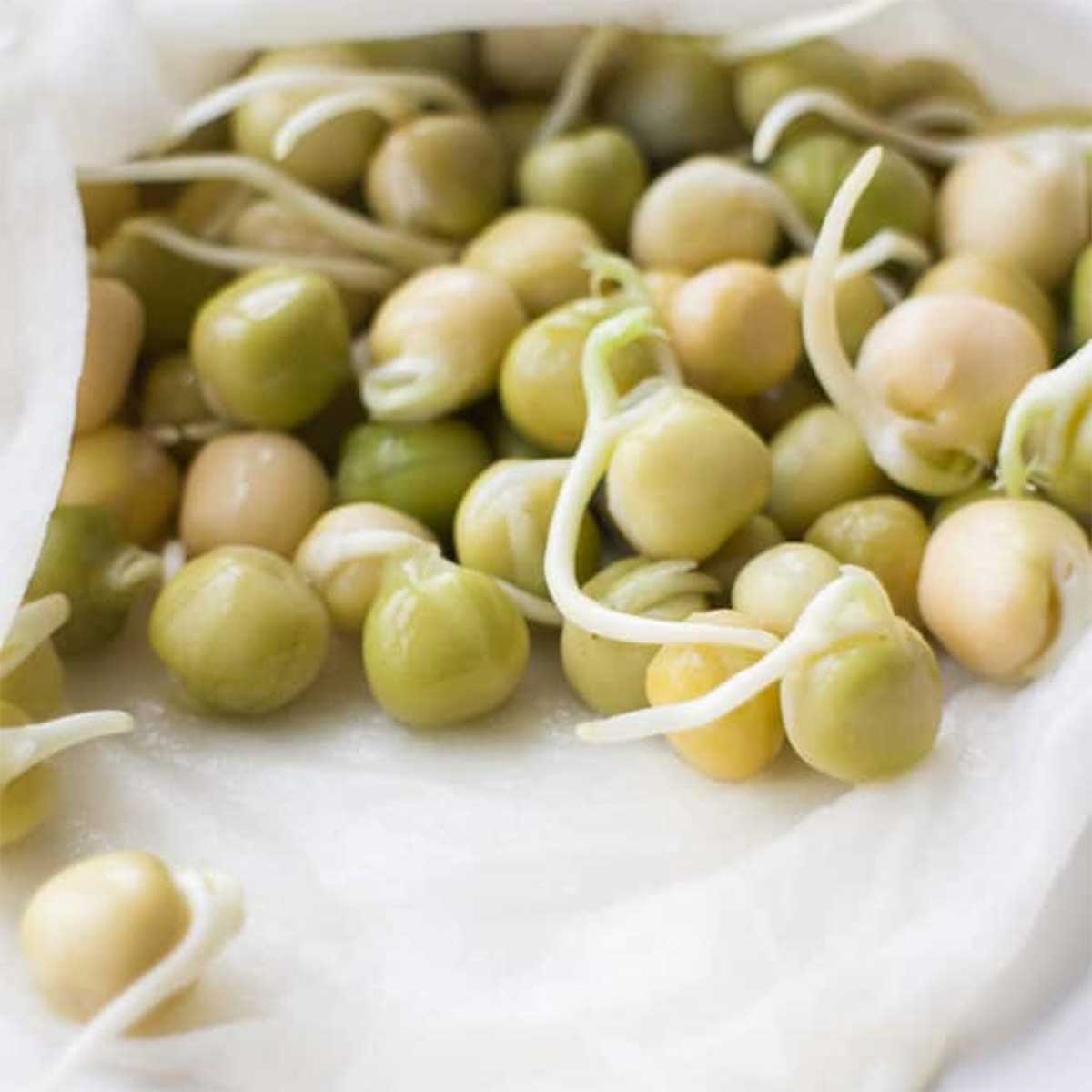
- Signs of Life: Within a few days, you'll start to see tiny rootlets, known as radicles, emerging from the seeds. On average, our sugar snap peas take 3-4 days to sprout using this method. You might even see a tiny green shoot beginning to emerge as well. Once you see these signs of germination, your peas are ready for planting!
Planting Your Presprouted Peas for Success
Once your peas have successfully sprouted, the next crucial step is getting them into the garden bed. This phase requires a gentle touch to ensure their delicate roots establish well.
Preparing Your Garden Bed
While your peas are presprouting, prepare their new home:
- Soil: Sugar snap peas thrive in well-drained, fertile soil rich in organic matter. Amend your garden beds with compost or aged manure to improve soil structure and nutrient content.
- Sunlight: Choose a spot that receives full sun (at least 6-8 hours daily).
- Support: Plan for trellising or other support structures from the start. Sugar snap peas are vining plants and will quickly need something to climb as they grow. Installing these before planting minimizes disturbance to the delicate young plants later.
The Role of Inoculants
For legumes like peas, using a pea inoculant is a highly recommended step. This isn't just an optional add-on; it's a powerful booster for your plants:
Inoculants contain beneficial bacteria (Rhizobium leguminosarum) that form a symbiotic relationship with pea roots. These bacteria create nodules on the roots that "fix" atmospheric nitrogen into a form the plant can use. This natural nitrogen fertilization reduces the need for synthetic fertilizers and promotes vigorous, healthy growth, leading to higher yields. You can typically find inoculants as a powder that you lightly coat your sprouted peas with just before planting. Simply follow the manufacturer's instructions.
Gentle Planting Techniques
Your sprouted peas are delicate, so handle them with care:
- Dig a trench: Using a trowel or the edge of your hand, create a shallow trench in your prepared garden bed, about 1-2 inches deep.
- Spacing: Carefully place your presprouted peas into the trench. Aim for a spacing of about 3 inches apart. This gives them enough room to grow without overcrowding.
- Cover and firm: Gently cover the peas with soil, ensuring the delicate sprouts are not damaged. Lightly press down on the soil with your hands to ensure good soil-to-seed contact.
- Water lightly: Finish by sprinkling the newly planted area with water. Be gentle to avoid dislodging the seeds or disturbing the young roots.
Beyond the Sprout: Nurturing Your Sugar Snap Pea Plants
The journey doesn't end once your presprouted peas are in the ground. Consistent care in the early stages will ensure they thrive and produce abundantly.
- Initial Emergence: Now you wait for the first shoots to pop through the soil, which usually takes about a week after planting. It's an exciting time, checking the garden daily for those first signs of green. Once one appears, the others will quickly follow, creating a lush row of young pea plants.
- Early Care and Support: As your plants grow, ensure they have continuous access to their support structure. Guide any stray tendrils towards the trellis if necessary. Maintain consistent moisture, especially during dry spells, but avoid overwatering, which can lead to root issues.
- Pest and Disease Watch: Keep an eye out for common pea pests like aphids or powdery mildew. Early detection and organic pest control methods can prevent major problems. Ensuring good air circulation by proper spacing and trellising can also help prevent fungal issues.
- The Joy of Harvest: Soon enough, your diligence will be rewarded. Sugar snap peas are typically ready to harvest when the pods are plump and green, and the peas inside are well-formed but still tender. Pick them regularly to encourage more production.
Presprouting sugar snap peas is a simple yet incredibly powerful technique that truly guarantees a healthier start and a more prolific harvest. By taking this small extra step, you eliminate the guesswork and frustration often associated with direct seeding, setting yourself up for success from day one. To learn more about maximizing your pea harvest, check out our guide on Presprout Sugar Snap Peas: Your Guide to a Bountiful Harvest. So go ahead, give this method a try, and prepare to enjoy an abundance of sweet, crunchy sugar snap peas from your very own garden!
